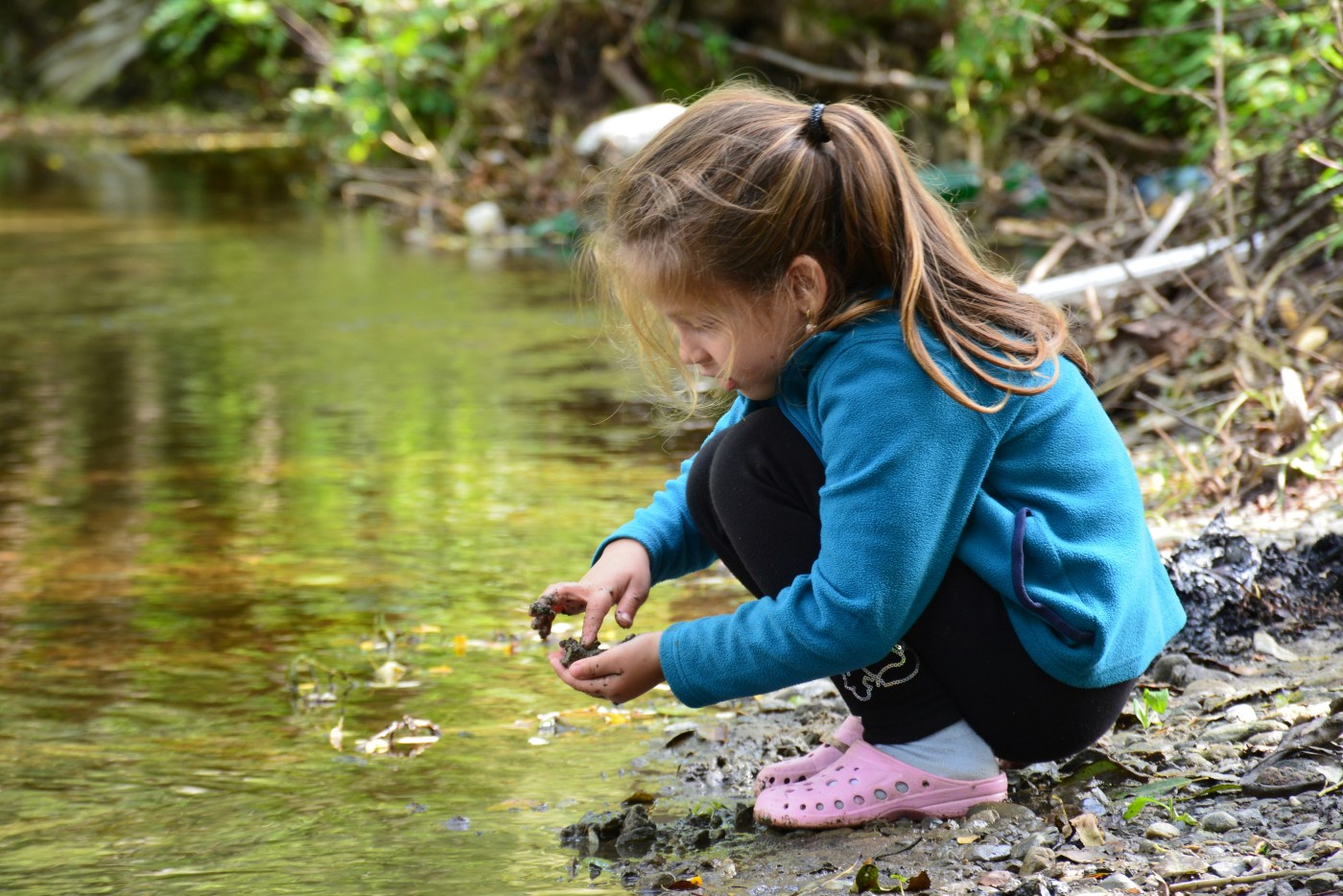
More than 25 000 European school students, including children from Lithuania, have become real scientists. The students collect data on plastic pollution in rivers and contribute directly to European environmental research.
What began as a small project in Germany, Portugal and Slovenia has grown into a Europe-wide movement covering 14 countries. In just three years, more than 25 000 young Europeans have taken part in over 1 200 sampling campaigns at 360 rivers and water bodies. It is the largest coordinated citizen science project of its kind in Europe.
The project works simply: school students and youth groups collect plastic samples at rivers and coasts, and the data collected are analysed by scientists. Lithuania is one of the countries where the activities of this project are already being carried out.
The data collected have already been used in scientific research, in local river management plans and in national monitoring strategies. At European level, "Plastic Pirates" has been mentioned in the ERA monitoring report and in the EU publication "40 years of research and innovation".
The project is funded under the Horizon Europe programme and supported by the objectives of the EU Mission "Restore our Ocean and Waters by 2030". It is an excellent example of how citizen science can be both playful and scientifically significant, while participants learn critical thinking and nature conservation skills.
More information is available on the official "Plastic Pirates" website.
Photo: Cosmin Verdes / Unsplash