How can I take part in citizen science?
You do not need a science degree to take part in citizen science. Curiosity, a phone or a few hours a year are enough. Here are ways to contribute to research in Lithuania, from a few minutes to long-term monitoring.
Any time, with a phone or computer
A few minutes are enough: spot it, photograph it, upload it. Every observation adds to data that researchers use.
-
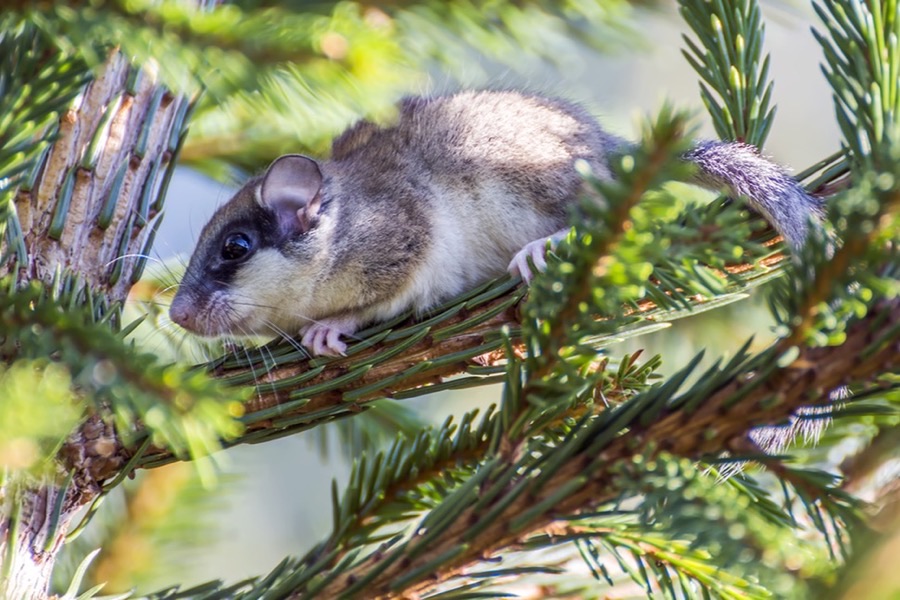
Photo: Kazimieras Martinaitis / iNaturalist, CC BY 4.0 Any time
iNaturalist
Photograph plants, animals or fungi. The app suggests a species, and other users confirm or correct it. More than 670,000 observations have already been recorded in Lithuania. Confirmed observations are shared every week with GBIF, the global biodiversity database.
How to start: download the free app (also available in Lithuanian), create an account and upload your first photo with a date and location. You can ask questions in the "iNaturalist Lietuva" Facebook group.
iNaturalist in Lithuania -
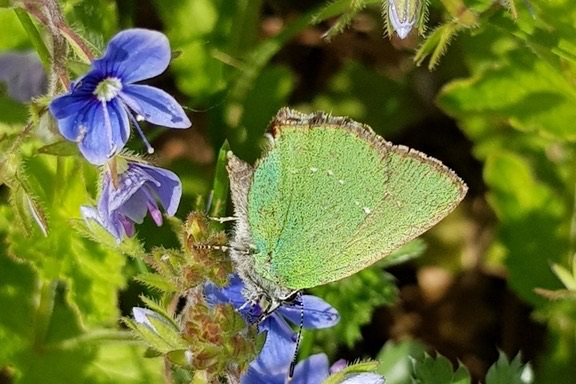
Photo: Aurelijus Narbutas / iNaturalist, CC BY 4.0 Butterfly season
15-minute butterfly count
Count butterflies for 15 minutes anywhere: in a garden, a meadow or even on a balcony. Seeing no butterflies also matters: zeros count too. The data go into the European Butterfly Monitoring database and are open for research.
How to start: download the free ButterflyCount app (iOS and Android) and create an eBMS account.
About the 15-minute count -
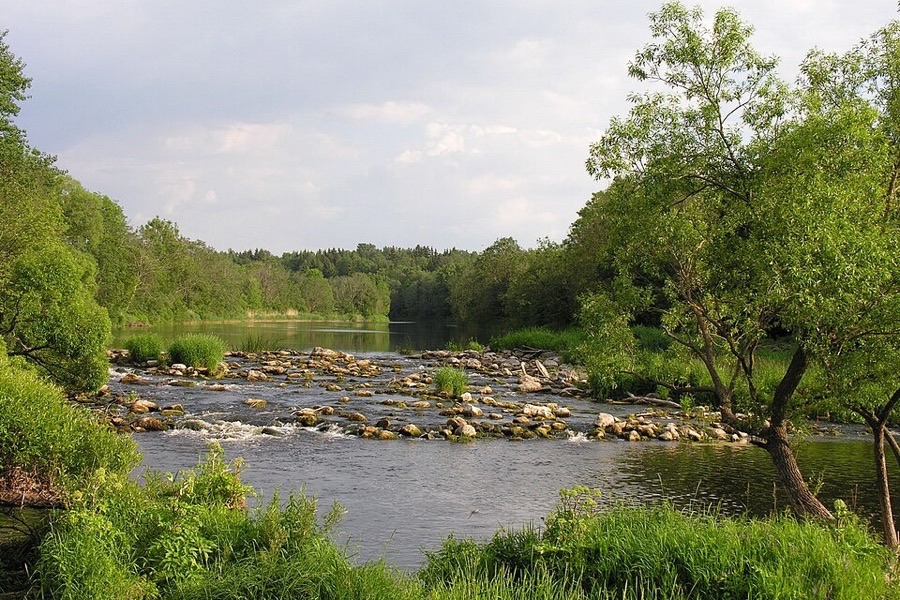
Photo: Algirdas / Wikimedia Commons, CC BY-SA 3.0 Any time
Barrier Tracker: river barriers
Spotted a dam, weir or other barrier in a river? Photograph it and record its location and height. The data feed a European atlas of river barriers that helps restore free-flowing rivers.
How to start: download the Barrier Tracker app (Android for now).
About the app -
Photo: Sigitas Juzėnas / iNaturalist, CC BY 4.0 Any time
Protected Species Information System (SRIS)
Seen a protected plant or animal? In this state system, an expert on that species checks each observation, and confirmed data are used to protect the species.
How to start: log in through the Lithuanian e-government gateway, choose "Teikti duomenis" (submit data) and fill in the form: species, location on the map, photos.
sris.biip.lt -
Any time
Rare birds
Seen a rare bird species? The Lithuanian Ornithological Society collects sightings of rare species, which are assessed by its rarities committee.
How to start: fill in the form on the society's website: name, email, date, species and, if you have them, a photo or sound recording. The description may be in English.
The society's form

Once a year: counts and competitions
One-off events that are easy to join, even for the first time.
-
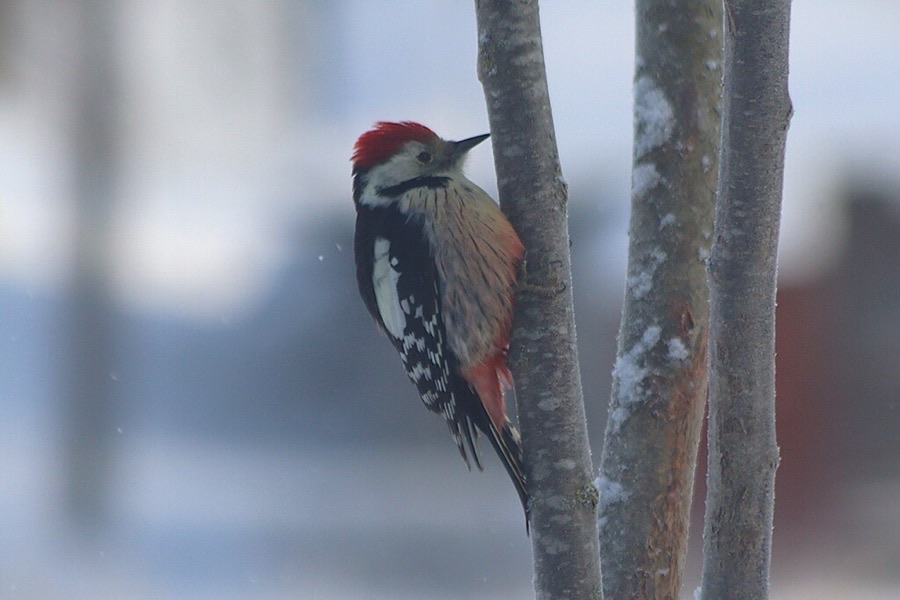
Photo: Edmundas Greimas / iNaturalist, CC BY 4.0 Mid-February
Birds at my home (Paukščiai prie mano namų)
An annual count by the Lithuanian Ornithological Society: spend one hour counting the birds around your home. In 2026 about 150 observers took part and counted more than 6,700 birds.
How to start: anyone can join, no feeder needed. Submit your results through the online form. In 2026 the count was announced at the end of January, so follow the society's news.
The 2026 count -
April
Geography Night
Free geography events across Lithuania on one evening. In 2026 there were 46 events with more than 3,100 participants, hosted by schools, universities, protected-area directorates and science centres.
How to start: pick an event on the international Geography Night map. Schools and organisations can host their own event.
Lithuanian Geographical Society -
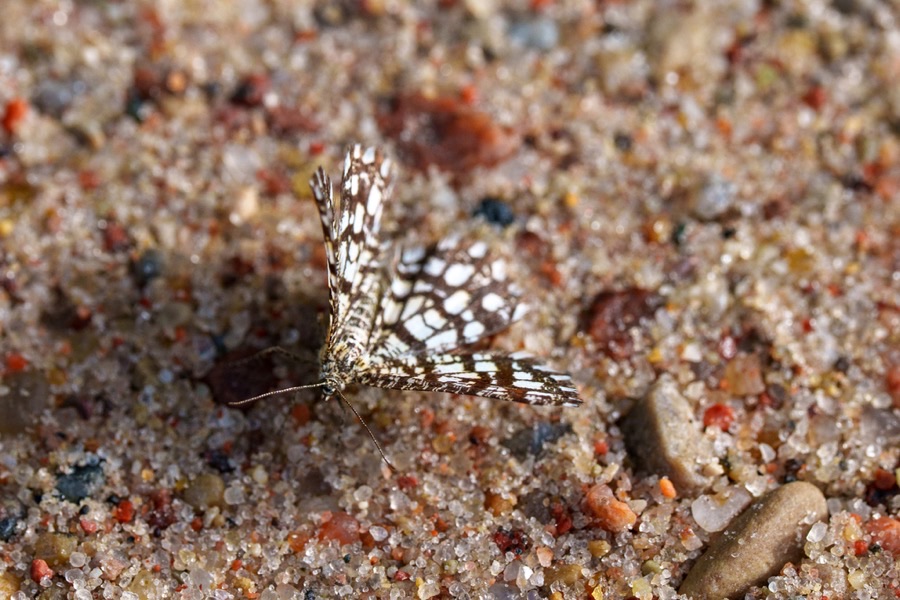
Photo: Kristupas / iNaturalist, Rūšių ralis 2026, CC BY 4.0 June
Species Rally (Rūšių ralis)
A biodiversity competition held since 2013: teams of 2-5 people spend a weekend in a protected area finding as many species as they can and recording them on iNaturalist. In 2026 the rally took place in Aukštadvaris Regional Park, and the data are handed over to the park.
How to start: teams register by email (in 2026, by 1 June). Every participant needs an iNaturalist account.
rusiuralis.lt -
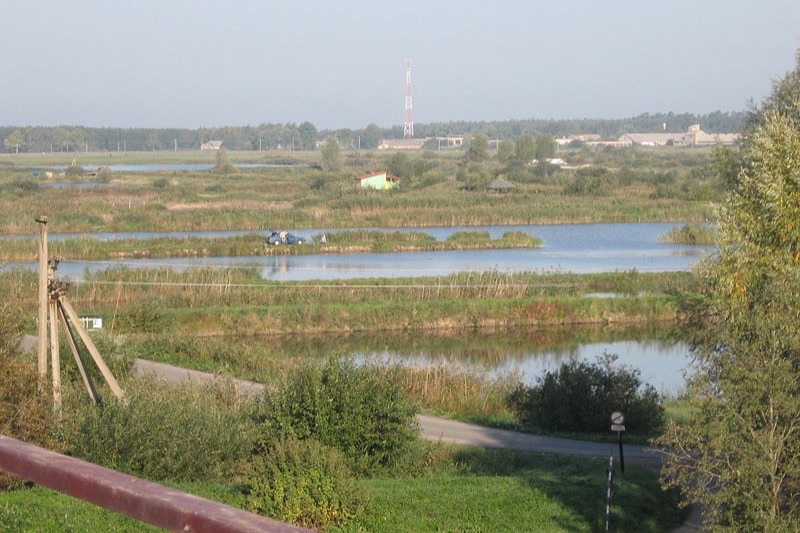
Photo: Žiedas / Wikimedia Commons, CC BY 3.0 October
Curonian Lagoon birdwatching rally
A rally by the Lithuanian Ornithological Society in Kintai, open to experienced and beginner birdwatchers. In 2026, 33 teams took part and recorded 161 species.
How to start: register on the society's website in autumn. In 2026 it was free for members and 15 EUR for others.
The 2026 rally

Regularly: long-term monitoring
If you want to commit for longer. Data like these show how nature changes over years and decades.
-
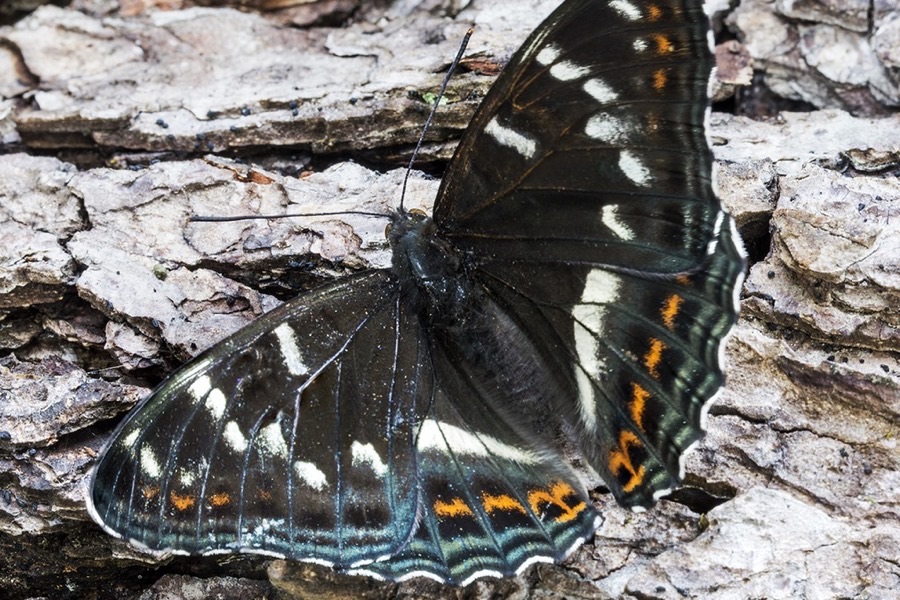
Photo: Kazimieras Martinaitis / iNaturalist, CC BY 4.0 Butterfly season
Butterfly monitoring transects
You choose a route of about 1 km and walk it on days with good weather, ideally every week (at least 10 times a year). Butterfly monitoring in Lithuania has run since 2009 with the support of the Ministry of Environment and the Lithuanian Entomological Society.
How to start: contact the monitoring coordinators before you start, through the butterfly monitoring page or the Facebook group.
Lithuanian butterfly monitoring -
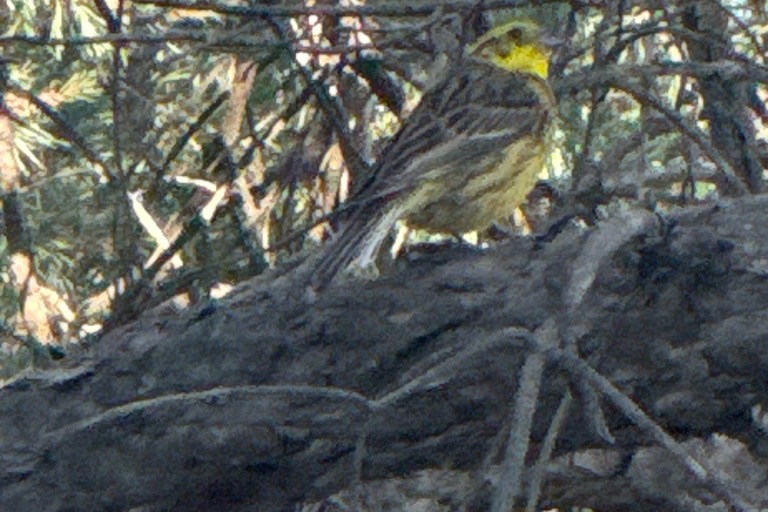
Photo: Donatas Pocius / iNaturalist, CC BY 4.0 April-June
Common bird counts
Twice each spring you count birds along the same route of about 7 km with 20 points. These counts feed the official indicator of birds in farmland.
How to start: you need to recognise common species by sight and song. Contact the Lithuanian Ornithological Society; details are in the call.
The society's call -
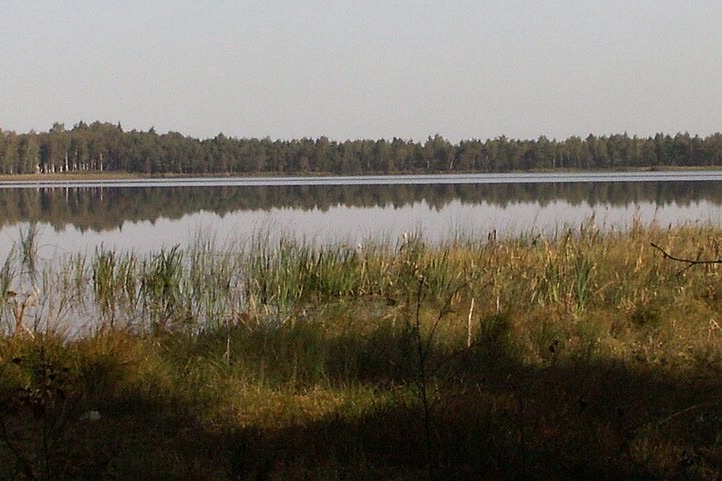
Photo: B. Gliwa / Wikimedia Commons, CC BY-SA 2.5 During the project
Peatland living labs
The NGO Pelkių fondas runs four living labs in the LIFE ForestHabitatLT project, including one at the Praviršulis bog. Local community members, farmers, protected-area staff and conservationists work together there, and school pupils learn to monitor the bog.
How to start: ask Pelkių fondas about upcoming activities.
Get involved with Pelkių fondas

Not just nature: language, culture and heritage
Citizen science also reaches into the humanities and social sciences: language, history and community memory.
-
Any time
Lithuanian neologisms database
The Institute of the Lithuanian Language collects new Lithuanian words. Seen a new word used in public? Suggest it, and the editors will check it.
How to start: fill in the suggestion form: the word, its meaning, an example and the source. No account needed.
Suggest a word -
Any time
Common Voice in Lithuanian
Read Lithuanian sentences aloud or check other people's recordings. The recordings become an open Lithuanian speech dataset for speech recognition technology. There are still relatively few Lithuanian recordings, so every voice counts.
How to start: open the page and start reading. Part of the interface is still in English.
Common Voice -
Any time
Lithuanian Wikipedia
Write or improve articles about places, people and history in Lithuania, and add sources. Lithuanian Wikipedia already has more than 227,000 articles.
How to start: read the help page on editing (in Lithuanian) and create a free account.
How to edit -
During projects
Living Archive (Gyvas archyvas)
A method by the Kaunas non-profit Kultūros dirbtuvė: residents share personal photographs and stories about their neighbourhood, and the material is handed over to museums and libraries for archiving. It has been used in Šilainiai (Kaunas), Žalgiriai (Tauragė) and Naujoji Akmenė.
How to start: follow Kultūros dirbtuvė for new projects. Municipalities and institutions can commission one.
About the method
Have your own idea?
Planning a citizen science project with a community, school or organisation? We can help you plan it and find funding.